
Writing Competitions That Lead to Study Abroad and Exchange Programs for Students
Some writing competitions do not just give cash — they open doors to study abroad, international exchange, and residential academic programs. For students who want to travel, learn in a new country, or attend a summer program at a world-class university, these competitions are the ones to target.
This article covers competitions and scholarship programs where a strong essay or writing submission can lead to a fully or partially funded international experience. Some are open worldwide. Some are limited to students from specific countries. All are worth knowing about.
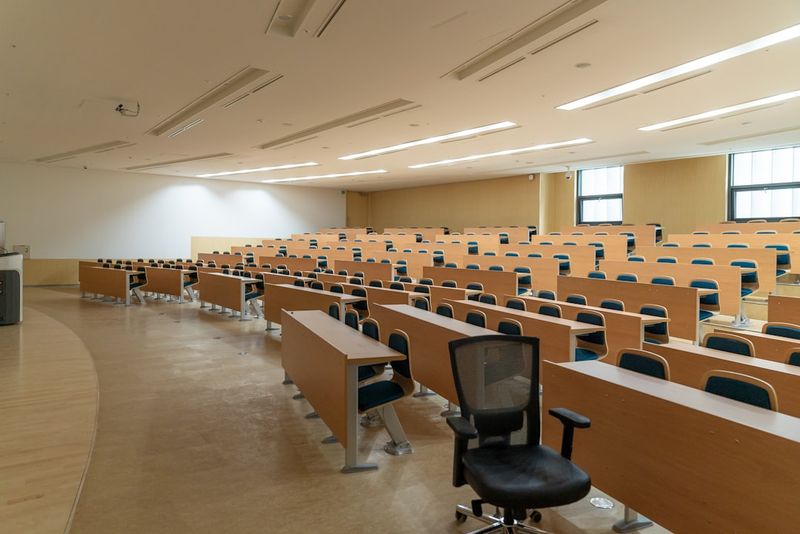
1. AFS Global STEM Academies Scholarship — Open to Asian Students (Ages 15–17.5)
Open to: Citizens or residents of eligible countries including China, Japan, Malaysia, Singapore, Indonesia, India, UK, USA, and more
What to submit: An application essay and supporting materials explaining your interest in STEM and your motivation to participate in an international exchange.
Prize: Fully funded — a 12-week virtual exchange program followed by a 4-week international travel program. No cost to participants for tuition, accommodation, or program fees.
Deadline: January 15 annually
Why this stands out: This is one of the very few fully funded international exchange programs with explicit eligibility for students from multiple Asian countries. If you are teaching ESL in China, Japan, Malaysia, Singapore, or Indonesia — your students can apply directly. The essay component is central to the application.
Website: afs.org/global-stem/academies
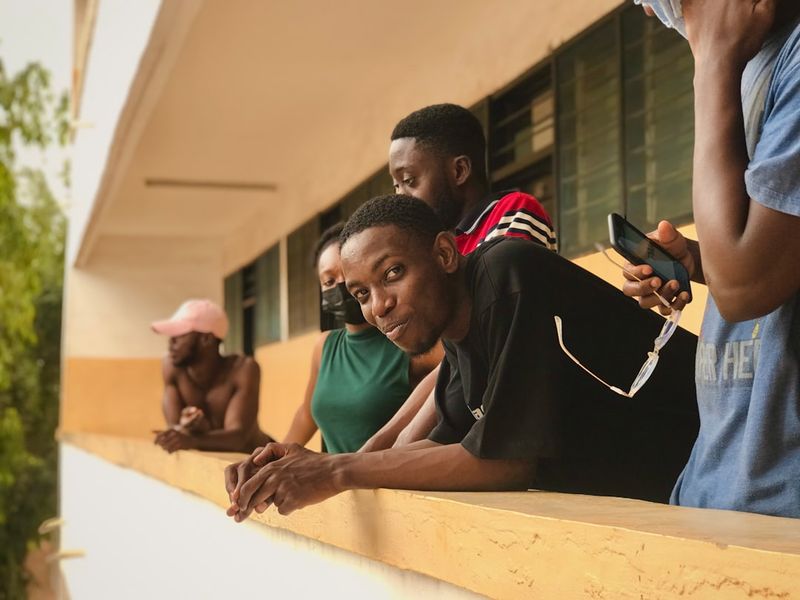
2. Rotary Youth Exchange (Ages 15–17.5)
Open to: Students worldwide who apply through a local Rotary Club. Works in both directions — students can go abroad, and international students can come to your country.
What to submit: A written application with personal essays about goals, motivations, and cultural adaptability, plus interviews at the local Rotary Club.
Prize: Fully or heavily subsidized academic year or semester abroad, living with host families. Rotary covers most costs including accommodation, insurance, and a living stipend.
Deadline: Varies by district; applications typically open September–November for the following academic year.
Why this stands out: Rotary Youth Exchange is one of the largest and most established student exchange programs in the world. Unlike government-sponsored scholarships, it operates through local clubs globally — meaning students in most countries can access it. A strong, thoughtful application essay makes a significant difference in the selection process.
Website: rotary.org/en/our-programs/youth-exchanges
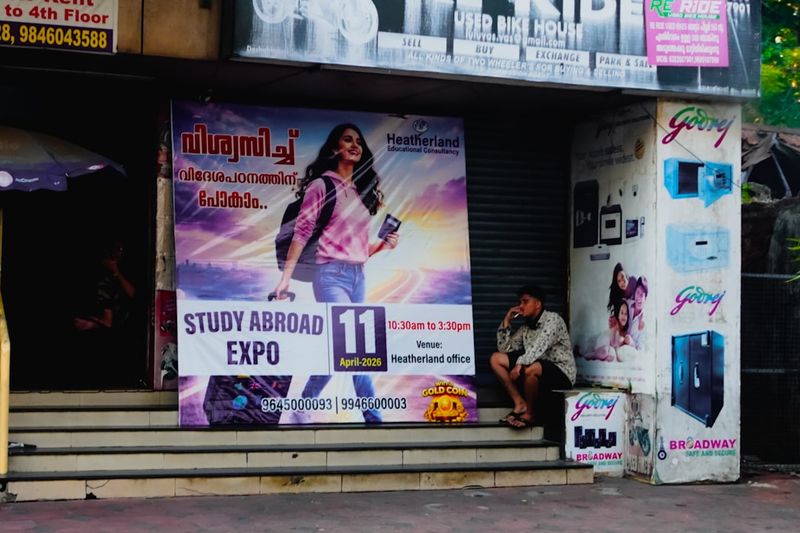
3. Congress-Bundestag Youth Exchange (CBYX) — Fully Funded Year in Germany (U.S. Students)
Open to: U.S. citizens, ages 15–18.5. No German language required.
What to submit: Five short essays (approximately 250 words each) covering motivation, personal goals, and a letter to a potential host family.
Prize: Fully funded academic year in Germany — international airfare, host family accommodation, $150/month stipend, and full travel health insurance. Zero cost to participants.
Deadline: November annually (for the following year’s program)
Why this stands out: CBYX is one of the best-kept secrets in U.S. high school study abroad. It is federally funded and places students in German schools and families for a full academic year. The application essays are critical to being selected. Many ESL teachers in the U.S. have students who are unaware this program exists.
Website: usagermanyscholarship.org
4. NSLI-Y — Fully Funded Language Immersion Abroad (U.S. High School Students)
Open to: U.S. citizens and eligible non-citizen nationals, ages 15–18
What to submit: Three to four personal and motivational essays as part of the competitive application. Strong writing is essential to selection.
Prize: Fully funded immersive language study abroad — flights, accommodation, tuition, and a living stipend. Programs available in Arabic, Chinese (Mandarin), Hindi, Korean, Persian, Russian, Swahili, and Turkish.
Deadline: September–November for academic year programs
Why this stands out: For U.S. students who want to study Mandarin Chinese in an immersive environment, NSLI-Y is one of the most competitive and prestigious opportunities available. The fact that it is fully funded — with no income requirement — makes it accessible to students at all income levels.
Website: nsliforyouth.org

5. Queen’s Commonwealth Writing Competition — Fully Funded Trip to London (Ages up to 18)
Open to: Students aged 18 and under from any of the 56 Commonwealth countries
What to write: Creative writing up to 1,000 words on the annual theme. The 2026 theme: “Common Ground: Better Together.”
Prize: Regional winners (one from each of five world regions) receive a fully funded trip to London for the awards ceremony and a week of cultural and educational activities.
Deadline: April 30 annually
Why this stands out: For students from Commonwealth countries in Asia (India, Malaysia, Singapore, Bangladesh, Sri Lanka), Africa, the Caribbean, and the Pacific, this is a genuinely achievable fully funded London trip — open to anyone under 18. The writing requirement is accessible and creative.
Website: royalcwsociety.org
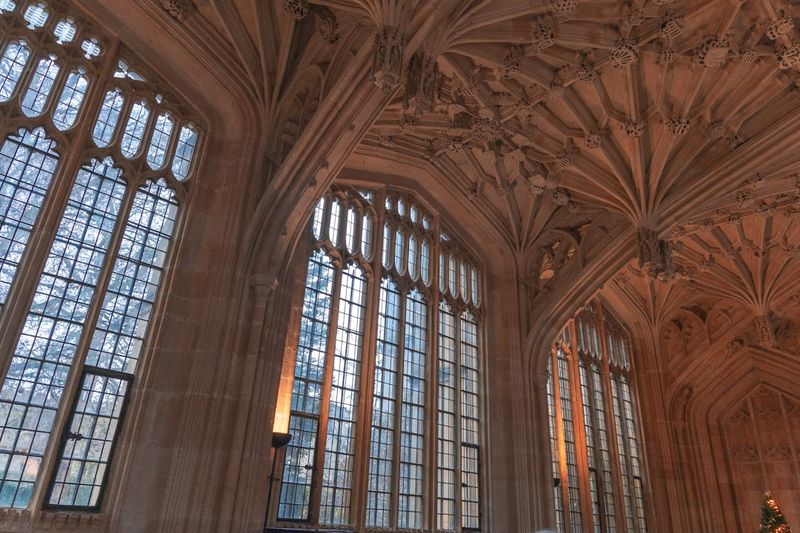
6. John Locke Institute Global Essay Prize — Oxford Summer Program (Ages up to 18)
Open to: Anyone aged 18 and under, any country worldwide
What to write: An analytical essay under 2,000 words on a question in Philosophy, Politics, Economics, History, Psychology, or Law.
Prize: First place: $10,000 scholarship applicable toward the John Locke Institute’s summer school at Oxford University. Second place: $2,000. Third place: $1,000.
Deadline: May 31 annually
Why this stands out: This is the gold standard for internationally open essay competitions with a direct study abroad component. The first-place scholarship funds a place in an Oxford-based residential academic program. Fully open to students from any country — no citizenship or residency requirement.
Website: johnlockeinstitute.com/essay-competition
7. Patricia Grodd Poetry Prize — Kenyon Review Workshop Scholarship (Ages 15–17)
Open to: High school sophomores and juniors worldwide
What to write: One original poem, any subject or form, maximum 100 lines.
Prize: Full scholarship to the Kenyon Review Young Writers residential workshop at Kenyon College, Ohio. Winner and runners-up are published in The Kenyon Review. Workshop alumni who apply to Kenyon College are automatically considered for a $25,000/year merit scholarship.
Deadline: November 1–30 annually
Why this stands out: This competition is open worldwide and provides a direct pathway to a prestigious U.S. residential writing program — and potentially a university scholarship. For ESL students with strong creative writing skills, it is one of the few globally open competitions where winning means traveling to the United States for a funded program.
Website: kenyonreview.org/submit/patricia-grodd
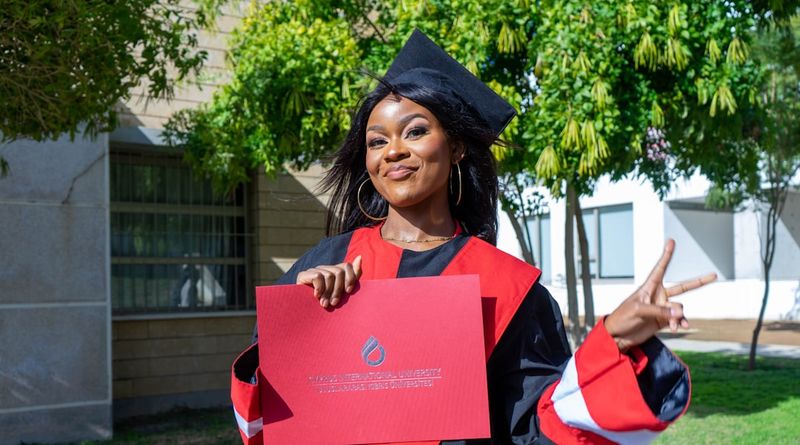
8. Foyle Young Poets of the Year Award — UK Residential Retreat (Ages 11–17)
Open to: Poets aged 11–17, worldwide
What to write: Original poetry in English (phrases in other languages are permitted). Maximum 40 lines. International entrants submit 1 poem.
Prize: Top 15 winners receive mentoring, publication in the Foyle Young Poets anthology, and a place at a residential poetry retreat in the United Kingdom.
Deadline: July 31 annually
Why this stands out: This is the UK’s most prestigious poetry award for young writers and is fully international. For ESL students, the permission to include home-language phrases makes it uniquely welcoming. Winning means traveling to the UK for a funded literary retreat — an extraordinary experience for a teenage writer.
Website: foyleyoungpoets.org
Quick Comparison: Study Abroad Opportunities by Region
Here is a quick reference to help identify the right competition based on where your students are:
- Students in Asia (China, Japan, Malaysia, Singapore, Indonesia): AFS Global STEM Academies is fully funded and specifically includes these countries. Queen’s Commonwealth applies to Malaysia and Singapore. Rotary Youth Exchange is available everywhere.
- Students in Commonwealth countries (India, Malaysia, Singapore, Nigeria, Ghana, Kenya, Jamaica, Australia, etc.): Queen’s Commonwealth Writing Competition is the most direct pathway to a fully funded London trip.
- Students anywhere, worldwide: John Locke Institute Essay Prize (Oxford program), Foyle Young Poets (UK retreat), Patricia Grodd Poetry Prize (U.S. workshop), Rotary Youth Exchange (year abroad in most countries).
- U.S. students specifically: NSLI-Y (language immersion in 8 countries, fully funded), Congress-Bundestag Youth Exchange (year in Germany, fully funded).
How Strong Writing Makes the Difference

For programs like Rotary Youth Exchange, AFS, NSLI-Y, and CBYX, the final selection often comes down to the quality of the personal essay. Program administrators read hundreds of applications. A clear, specific, and honest personal narrative — one that explains proč this particular program matters to this particular student — consistently outperforms generic answers.
ESL teachers are in a unique position to help students write those essays. The skills your students practice in class — choosing specific details, structuring arguments, writing with a clear voice — are exactly what application readers are looking for.
Závěrečné myšlenky
Study abroad through a writing competition or scholarship essay is one of the most rewarding outcomes an ESL student can achieve. It validates years of language study and opens experiences that change a young person’s direction in life.
If you missed the earlier articles in this series, read Part 1 (best writing competitions for kids aged 8–13) and Part 2 (teen writing competitions with scholarships and cash prizes) for more options at every level.
Final Advice: How Teachers and Parents Can Help Students Prepare
The students who win these competitions almost always have someone in their corner helping them draft, revise, and submit on time. Teachers can build a simple support system: keep a shared calendar of competition deadlines, hold one-hour drafting workshops three to four weeks before each due date, and pair students for peer feedback rounds before final submission. Parents can support by giving students protected, distraction-free writing time and by reading aloud the final essay to catch flow problems. Encourage students to apply to three or four programs each cycle rather than one — a single strong essay can usually be adapted to several applications with targeted edits. The students who treat these competitions as a long-game habit, not a one-shot lottery, are the ones who end up boarding the plane.
Zdroje
- AFS Global STEM Academies — Official program page
- Rotary Youth Exchange — International exchange program overview
- Congress-Bundestag Youth Exchange (CBYX) — U.S. State Department program
- NSLI-Y — National Security Language Initiative for Youth
- Queen’s Commonwealth Essay Competition
- John Locke Institute Global Essay Prize
- Patricia Grodd Poetry Prize — Kenyon Review
- Foyle Young Poets of the Year Award





 CS
CS  EN
EN  ZH
ZH  ZH_CN
ZH_CN  KO
KO  VI
VI  FR
FR  AR
AR  ES
ES  HI
HI  PT
PT  BN
BN  RU
RU  JA
JA  TR
TR  DE
DE  IT
IT  PL
PL  ID
ID  TH
TH  FA
FA  UK
UK  TL
TL  HE
HE  UR
UR  SW
SW  RO
RO  NL
NL  MS
MS  TA
TA  PS
PS  HU
HU  EL
EL  SV
SV  NB
NB  NN
NN  DA
DA  SR
SR  AM
AM