
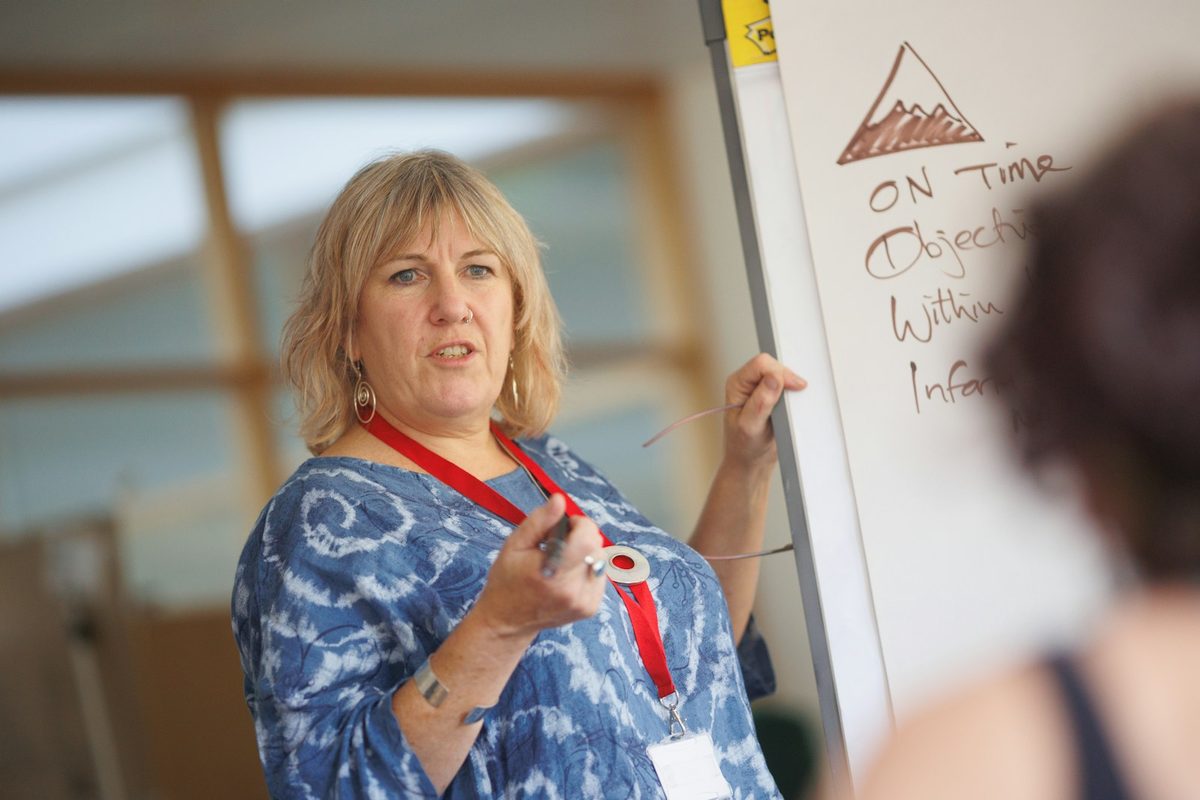
Error Correction in ESL: 7 Proven Techniques
A student says, “Yesterday I go to the market.” You have about two seconds to decide what to do, and that decision shapes whether the class keeps talking or freezes up. Error correction in ESL is one of the most constant judgment calls a teacher makes, and most of us were never actually trained on it. We inherited a habit: hear a mistake, fix it, move on. That habit is quietly killing student confidence in classrooms all over the world. The fix is a small set of techniques you can start using in your next lesson.
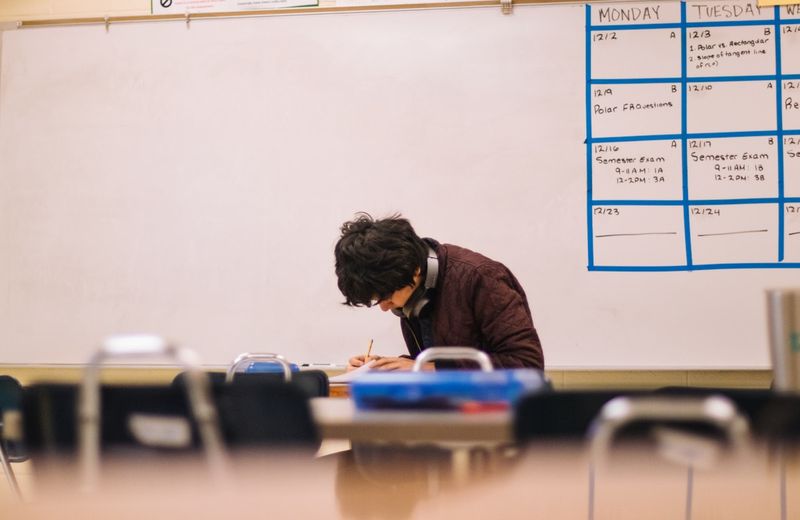
A single well-timed correction after a task beats ten interruptions during it.
What Error Correction Really Means in the ESL Classroom
Error correction is the process of drawing a learner’s attention to a gap between what they produced and what a proficient speaker would say — and giving them a chance to close that gap. That last part matters. Simply supplying the right answer is feedback, not correction. Correction only happens when the learner does something with the information.
There is a difference worth holding onto here, one first drawn by applied linguist S.P. Corder back in 1967. A mistake is a slip: the student knows the rule but tripped over it, usually because of tiredness or speed. An error is deeper — the student’s internal grammar is genuinely missing the rule. You treat these two things completely differently. Mistakes need a nudge. Errors need re-teaching. If you throw a full grammar explanation at a simple slip, you waste class time and make the student feel incompetent for something they already know.
Should You Correct Every Mistake?
No, and trying to is the single most common error-correction error teachers make. Over-correction has a name in the research — it raises what Stephen Krashen called the affective filter, the wall of anxiety that goes up when a learner feels judged. When that wall is up, almost no language gets through. I have watched confident teenagers shrink into one-word answers within ten minutes of a teacher who corrected every article and preposition.
The practical rule is to match your correction to the aim of the activity. During accuracy work — a controlled drill on the past simple, say — correcting the target language is exactly the point. During fluency work — a debate, a role-play, a free conversation — you mostly stay out of the way and collect errors for later. Correcting a preposition mid-debate tells the student the message they were excited to share matters less than the grammar carrying it.

Ask yourself three questions before you jump in: Does the error block understanding? Is it the exact structure I am teaching today? Are most of the class making it? If the answer to all three is no, let it slide and keep the conversation alive.
When to Correct: On-the-Spot vs Delayed Correction
Timing changes everything. On-the-spot correction happens the moment the error appears. It is powerful during accuracy stages because the target language is fresh and the whole class benefits from the fix. It is a disaster during fluency stages because it stops the flow of communication cold.
Delayed correction is the technique too few teachers use well. You listen during the speaking activity, jot errors on a notepad or a slip of paper without interrupting, and then run a five-minute feedback slot at the end. Write a handful of the sentences you heard on the board — anonymised, never named — and ask the class to find and fix them together. This turns correction into a group puzzle instead of a personal callout, and it keeps the earlier activity flowing. Pairing this with strong eliciting techniques lets the students supply the fixes themselves, which is where the real learning lives.

During free speaking, note the errors and hold your feedback for a five-minute slot at the end.
7 Proven Error Correction Techniques
None of these require special materials. They are moves you make with your voice, your hands, and your timing. The best teachers rotate through them so no single technique becomes predictable.
1. Reformulation (Recasting)
You repeat the student’s sentence back correctly, without flagging the error. Student: “He don’t like coffee.” You: “Ah, he doesn’t like coffee — why not?” It is gentle and keeps the conversation moving, which makes it ideal for young learners and nervous beginners. The catch, documented in Roy Lyster and Leila Ranta’s landmark 1997 study of French immersion classrooms, is that recasts often go unnoticed — students hear agreement, not correction. Use it, but do not rely on it alone.
2. Elicitation and Self-Correction Prompts
Instead of giving the answer, you pull it out of the student. Pause before the error word (“Yesterday I…”), raise your eyebrows, or ask “How do we say that in the past?” Self-correction is stickier than teacher-correction because the student’s brain does the retrieval work. This is the technique to reach for first — it respects the learner’s intelligence and builds independence.

3. Finger Correction
Hold up one hand, assign each finger to a word in the sentence, and point to where the problem is. It is brilliant for pinpointing a missing article, a wrong verb ending, or a contraction that should be squeezed together (bring two fingers together for “do not” → “don’t”). Learners can see the shape of the sentence in space, which helps visual thinkers enormously.
4. Echoing the Error
Repeat the sentence up to — and slightly past — the mistake, with a rising, questioning tone: “You goed…?” The upward inflection signals something is off without you ever saying “wrong.” Keep it light. Done with a scowl it feels like mockery; done with a curious smile it feels like a game.
5. The Correction Board (Delayed Slot)
Covered above, but it earns its place on the list. Collect errors during fluency work and stage a group fix at the end. It protects flow, spreads the benefit across the whole class, and removes the individual sting.
6. Peer Correction
Bounce the error to the class: “Can anyone help Maria with that sentence?” It lowers the pressure on any one student and keeps everyone listening, because they might be called on to fix it. Handle it with care — a class that turns cruel will undo the trust you have built. Set the norm early that we fix sentences, not people.
7. Gesture and Body-Language Codes
Agree on a few silent signals with your class: a thumb pointing over the shoulder means “past tense,” a flat hand wobble means “close, try again.” Once the codes are trained, you can correct across a noisy room without a word, and students often self-correct the instant they see the signal.
How to Correct Spoken Errors Without Killing Confidence
The emotional temperature of a correction matters more than its accuracy. A student who feels safe will take a correction and try again; a student who feels exposed will stop volunteering. Praise the attempt before you touch the form — “Great idea, and let’s tidy up one word” — and keep your face relaxed. Beginners and shy students need a lighter touch and more recasts; confident learners can handle direct elicitation and even a bit of playful challenge.
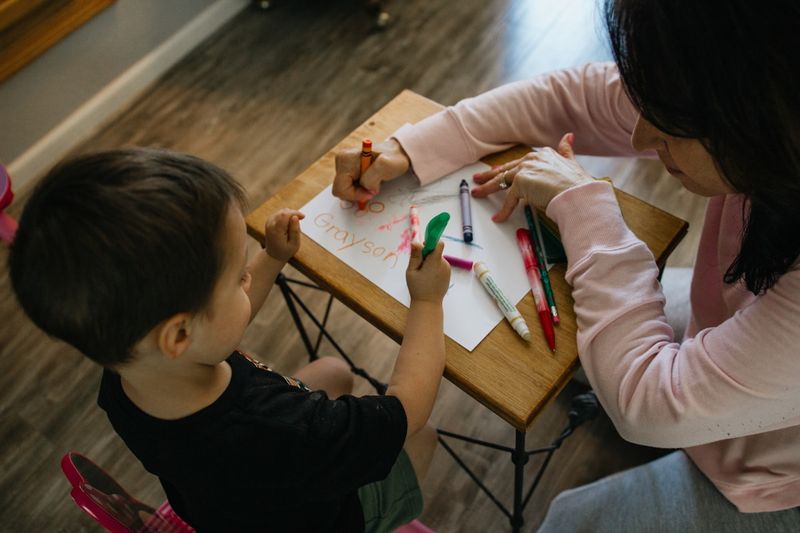
Volume of talk is part of this too. If you are correcting constantly, you are also talking constantly — and that squeezes out the student practice time that actually builds fluency. Cutting your teacher talking time and your correction rate tend to move together. Correct less, and students speak more.
How Much Should You Correct Written Work?
Drowning an essay in red ink feels thorough. It is mostly wasted. When a beginner gets a page back covered in corrections, they read the grade, feel the sting, and file it away — the individual fixes rarely register. A cleaner approach is selective correction with a marking code. Underline the error and write a small symbol in the margin: Sp for spelling, WW for wrong word, T for tense, Gr for grammar. The student then does the fixing.

This does two things a full rewrite cannot. It keeps ownership of the writing with the student, and it turns a passive read into an active editing task — the stage where language actually gets learned. Pick a focus for each assignment, too. If this week’s lesson was the present perfect, prioritise those errors and go easy on the stray comma. A code-based approach also pairs neatly with the accuracy you build through drilling techniques earlier in the lesson cycle.

Common Mistakes Teachers Make With Error Correction
Even experienced teachers fall into a few predictable traps. Watch for these in your own lessons:
- Correcting during fluency stages — it stops communication and trains students to fear speaking.
- Giving the answer instead of eliciting it — the student stays passive and forgets it by next class.
- Correcting everything — the important errors get buried under trivial ones.
- Naming and shaming — “No, David, that’s wrong again” costs you more than the correction is worth.
- Never following up — a correction the student never revisits is a correction that did not happen.
The thread running through all of these is respect for the learner’s effort and attention. Correction that honours both tends to work; correction that ignores them tends to backfire.
Turning Correction Into a Habit
Pick two techniques from this list — say, elicitation and the delayed correction slot — and use only those for a week. Watch what happens to how much your students say. Once those feel automatic, add a third. Error correction is not a rulebook you memorise; it is a set of instincts you build one lesson at a time, reading the room and adjusting. The teachers whose students speak the most are rarely the ones who correct the least or the most — they are the ones who correct at the right moment, in the right way, and then get out of the way. Try it in your next class and notice who starts raising their hand again.
सूत्रों का कहना है
- Lyster, R. & Ranta, L. (1997). Corrective Feedback and Learner Uptake, द्वितीय भाषा अधिग्रहण में अध्ययन — the classic study identifying six feedback types and measuring which lead to self-correction.
- British Council — TeachingEnglish — practical guidance on error correction, feedback, and managing accuracy versus fluency.
- टीईएसएल इंटरनेशनल एसोसिएशन — professional standards and research on corrective feedback in English language teaching.
Looking for free ESL worksheets? Browse our full collection — printable resources for every level and age group. Browse Free Worksheets →
Students can access free worksheets and reading materials at 18KEnglish.com.









 HI
HI  EN
EN  ZH
ZH  ZH_CN
ZH_CN  KO
KO  VI
VI  FR
FR  AR
AR  ES
ES  PT
PT  BN
BN  RU
RU  JA
JA  TR
TR  DE
DE  IT
IT  PL
PL  ID
ID  TH
TH  FA
FA  UK
UK  TL
TL  HE
HE  UR
UR  SW
SW  RO
RO  NL
NL  MS
MS  TA
TA  PS
PS  HU
HU  EL
EL  SV
SV  NB
NB  NN
NN  DA
DA  CS
CS  SR
SR  AM
AM