
Методы поддержки для преподавателей английского как второго языка | 9 стратегий, способствующих развитию самостоятельности учащихся
Вы наверняка это видели. Один ученик смотрит на рабочий лист, ничего не понимая. Другой быстро набрасывает ответы, прежде чем вы закончите вопрос. Разрыв между тем, что понимают ваши ученики, изучающие английский как второй язык. может что они делают и что они нуждаться В некоторые дни кажется, что сделать что-либо — это невероятно масштабная задача.
Метод «поддержки и помощи» преодолевает этот разрыв. Не за счет упрощения материала или предоставления готовых ответов, а за счет создания временных опор, которые позволяют учащимся достигать большего, чем они могли бы сделать самостоятельно. И при правильном подходе эти опоры исчезают — потому что ученик в них больше не нуждается.
В этом руководстве подробно описаны девять методов поддержки обучения, которые преподаватели английского как второго языка любого уровня могут начать использовать немедленно. Никакого перегруженного теорией жаргона. Только практические, проверенные в классе стратегии, основанные на том, что действительно работает.

Что на самом деле означает метод «поддержки» (и почему он важен для изучающих английский как второй язык)?
Этот термин происходит от трудов Льва Выготского. Зона ближайшего развития (ЗБР) — оптимальная точка между тем, что ученик может сделать самостоятельно, и тем, что он может сделать с помощью руководства. «Поддержка» — это часть, касающаяся руководства. Это тщательно спланированная помощь, которая позволяет учащимся продвигаться по зоне ближайшего развития (ЗБР) до тех пор, пока они не смогут выполнить задачу самостоятельно.
Для преподавателей английского как второго языка (ESL) метод поддержки обучения имеет большее значение, чем практически в любом другом контексте преподавания. Ваши ученики не просто усваивают содержание — они усваивают... язык используется для доступа к этому контенту. Каждый отрывок для чтения, тема для обсуждения и грамматическое упражнение несут двойную когнитивную нагрузку. Без поддержки вы, по сути, просите кого-то подняться по лестнице, у которой отсутствует половина ступеней.
Исследование из Международная ассоциация TESOL Исследования неизменно показывают, что структурированная поддержка приводит к более быстрому усвоению языка, лучшему запоминанию и — что особенно важно — к большей уверенности учащихся. Студенты, получающие поддержку в процессе обучения, с большей вероятностью будут рисковать в использовании языка, а именно в этом и заключается настоящее обучение.
1. Перед уроком проведите предварительное обучение ключевой лексике.

Это самая эффективная стратегия поддержки, которую большинство преподавателей английского как второго языка недооценивают. Прежде чем ученики столкнутся с текстом для чтения, упражнением на аудирование или темой для обсуждения, определите 5-8 слов, которые им абсолютно необходимы для понимания материала. Не просто перечисляйте определения. Формируйте понимание с помощью контекста, визуальных образов и связей.
Как это сделать:
- Показывайте изображения рядом с новыми словами. Изображение слова «эрозия» срабатывает быстрее, чем словарное определение.
- Используйте эти слова в 2-3 примерах предложений, которые будут отражать то, как они будут выглядеть на уроке.
- Предложите ученикам повторить слова вслух (произношение важно для запоминания).
- Создайте быструю «стену слов» или опорную таблицу с лексикой, к которой учащиеся смогут обращаться во время занятия.
Главное — избирательность. Предварительное изучение двадцати слов перегружает учеников. Выбирайте те, которые открывают смысл для всего остального. Если вы работаете над упражнения для расширения словарного запасаРассмотрите возможность сочетания предварительного обучения с одной из этих игр для закрепления материала.
2. Используйте шаблоны и основы предложений.
Шаблоны предложений обеспечивают структуру, не раскрывая содержания. Они особенно эффективны для заданий на устную и письменную речь, где учащиеся уже обладают необходимыми знаниями. что Они хотят сказать, но не могут составить предложение на английском языке.
Примеры для разных уровней:
- Для начинающих: «Я думаю, что ______ потому что ______».
- Средний: «Хотя я согласен с тем, что ______, я также считаю, что ______».
- Передовой: «Имеющиеся данные указывают на ______, что подразумевает ______».
Разместите их на видном месте в классе. Запишите их на доске перед обсуждениями. Включите их в рабочие листы. Цель не в том, чтобы ограничивать язык, а в том, чтобы дать учащимся отправную точку. По мере роста уровня владения языком, учащиеся естественным образом выходят за рамки заданных ограничений самостоятельно. Это и есть работа метода «поддержки» в точности так, как и задумано.

3. Сначала всё смоделируйте.
Никогда не просите учеников сделать то, что вы предварительно не продемонстрировали. Это кажется очевидным, но посмотрите, сколько учителей говорят: «Теперь напишите абзац о своих выходных», не показывая, как этот абзац должен выглядеть, как его начать и какой уровень детализации ожидается.
Эффективное моделирование включает в себя:
- Размышления вслух: Проговаривайте ход своих мыслей по мере выполнения задания. «Сначала мне нужно выбрать главную идею. Я выберу субботу, потому что произошло кое-что интересное…»
- Примеры решения задач: Покажите выполненную версию задания и подробно разберите каждый его этап.
- Совместная практика: Первое задание выполните всем классом, прежде чем ученики начнут работать самостоятельно.
Метод «рассуждения вслух» особенно эффективен в контексте изучения английского как второго языка, поскольку он делает невидимые когнитивные процессы видимыми. Студенты видят не просто конечный результат — они видят как Вы достигли цели, включая выбор языка, который вы сделали на этом пути.
4. Разбейте сложные задачи на более мелкие этапы.
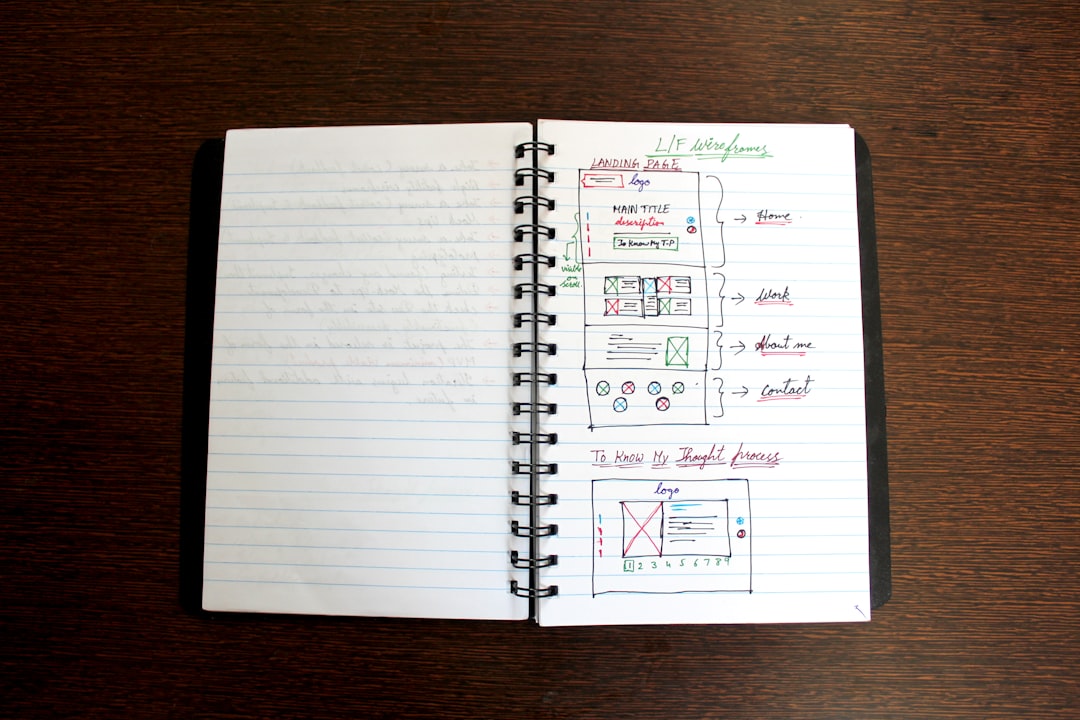
Многоэтапное письменное задание, которое звучит так: «Изучите тему, напишите тезис, составьте план эссе, напишите три абзаца основной части и заключение», парализует большинство изучающих английский как второй язык. Не потому, что они не могут это сделать, а из-за когнитивной нагрузки, связанной с его выполнением. все сразу Изучение второго языка может быть очень сложным.
Вместо этого разделите задачу на части:
- День 1: Выберите тему и соберите три источника. (Контрольная точка.)
- День 2: Сформулируйте тезис, используя следующую схему: «Я считаю, что ______ потому что ______». (Дополнительная информация.)
- День 3: Составьте план, в каждом абзаце изложив одну главную идею. (Этот пункт будет учитываться при оценке коллегами.)
- Дни 4-5: Составьте черновики основных абзацев, используя план. (Тема для обсуждения на конференции.)
Каждый этап имеет четко определенный результат и контрольную точку, где вы можете предоставить целенаправленную обратную связь. Такой подход соответствует... принципы поддержки, изложенные Edutopia — Оказывайте поддержку на каждом этапе, а затем сокращайте её по мере повышения квалификации.
5. Активизация имеющихся знаний
Ваши ученики — не чистые листы. Они приходят с богатым опытом, знаниями о культуре и навыками чтения и письма на родном языке, которые могут послужить основой для нового обучения — если вы их используете.
Стратегии активации имеющихся знаний:
- Диаграммы KWL: Что вы знаете? Чему вы хотите научиться? (После урока заполните поле «Усвоено».)
- Прогулки с фотографированием: Перед чтением пролистайте картинки и попросите учеников предположить содержание.
- Личные связи: «Кто-нибудь сталкивался с чем-то подобным? Расскажите об этом своему партнёру».
- Мосты родного языка: Предложите студентам сначала провести мозговой штурм на родном языке, а затем перевести ключевые идеи.
Последний пункт вызывает споры в некоторых кругах, изучающих английский как второй язык, но исследование Колорана Колорадо Исследования других организаций, занимающихся вопросами грамотности, показывают, что использование родного языка фактически ускоряет усвоение второго языка, а не замедляет его. Родной язык ученика сам по себе является вспомогательным инструментом.
6. Используйте визуальные средства и графические органайзеры.

Визуальные средства поддержки снижают языковую нагрузку на обработку информации. Когда студент может видеть взаимосвязь между идеями — с помощью диаграммы Венна, хронологической шкалы, ментальной карты или блок-схемы — он тратит меньше когнитивной энергии на расшифровку структуры текста и больше на понимание содержания.
Эффективные визуальные средства поддержки для изучения английского как второго языка:
- Диаграммы Венна для задач сравнения/сопоставления
- Карты историй с блоками, описывающими персонажа, место действия, проблему и решение.
- Т-диаграммы для оценки преимуществ/недостатков или причинно-следственной связи
- Хронологии для упорядочивания событий или процессов
- Словесные сети для расширения словарного запаса и категоризации
Не раздавайте просто пустые анкеты. Сначала покажите, как их заполнять (см. Стратегию 3). И убедитесь, что анкета соответствует целевому навыку мышления. Диаграмма Венна для задания на упорядочивание создает путаницу, а не ясность. Если вам нужны дополнительные идеи для эффективного визуального обучения, ознакомьтесь с нашим руководством по... стратегии управления классом — Хорошо организованные зрительные системы поддерживают как обучение, так и поведение.
7. Внедрить поэтапное распределение ответственности.
Это модель «Я делаю, мы делаем, ты делаешь», и она является структурной основой эффективного построения отношений.
Я согласен (примеры для учителей): Вы демонстрируете выполнение задания, подробно описывая его вслух. Ученики смотрят и слушают.
Мы делаем (практическое задание): Вы вместе работаете над заданием. Ученики вносят свой вклад, а вы их направляете, исправляете ошибки и поддерживаете. Именно здесь проявляется основная помощь в выполнении задания.
Вы делаете (самостоятельная практика): Студенты работают самостоятельно. Вы же обходите класс, предоставляете целенаправленную обратную связь и помогаете тем, кому нужна дополнительная поддержка.
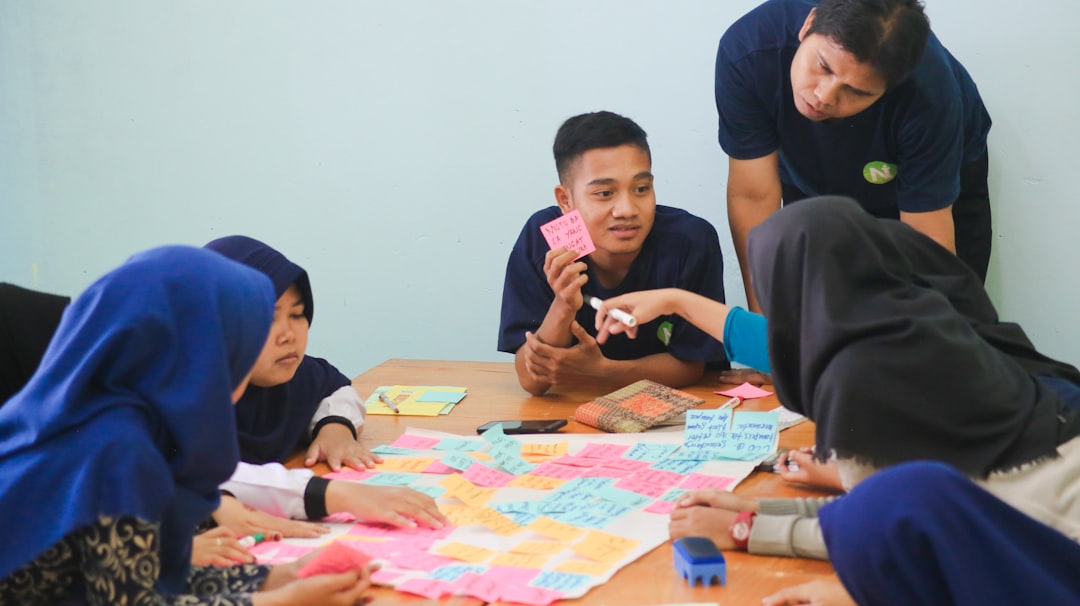
Многие учителя совершают ошибку, переходя от «Я делаю» сразу к «Вы делаете». Именно на этом промежуточном этапе и заключается поддержка. На этапе «Мы делаем» ученики практикуются под прикрытием, совершают ошибки, которые можно немедленно исправить, и обретают уверенность, чтобы попробовать сделать это самостоятельно.
В контексте изучения английского как второго языка можно добавить этап «Вы делаете вместе» между этапами «Мы делаем» и «Вы делаете» — парная работа или практика в небольших группах, где ученики поддерживают друг друга перед самостоятельной работой. Это создает дополнительный уровень взаимной поддержки, что невероятно эффективно для изучающих язык.
8. Обеспечение мультимодального ввода
Не стоит полагаться исключительно на текст. Студенты, изучающие английский как второй язык, лучше обрабатывают и запоминают информацию, когда она поступает через несколько каналов — аудио, визуальные, кинестетические и текстовые одновременно.
Практические примеры:
- Воспроизвести короткий аудиоклип до Студенты читают стенограмму.
- Используйте реальные предметы (реалии) при обучении конкретной лексике.
- Сочетайте письменные инструкции с быстрой демонстрацией.
- Используйте видеоролики для создания контекста перед чтением или обсуждением.
- Предложите ученикам сначала нарисовать или разыграть различные концепции, а затем написать о них.
Это видео от Teachings in Education дает превосходный обзор того, как стратегии поддержки обучения выглядят на практике:
Мультимодальный подход не означает, что каждый урок должен быть мультимедийным. Это означает, что нужно подумать о том, какие именно уроки следует проводить. дополнительный Этот канал больше всего поможет студентам получить доступ к контенту. Иногда достаточно простой картинки. В других случаях решающее значение имеет практическое занятие.
9. Регулярно (и стратегически) проверяйте понимание.

«Все ли понимают?» — это не проверка понимания. Это вопрос, на который почти всегда отвечают одобрительными кивками, независимо от реального понимания. Настоящая поддержка требует данных в реальном времени о том, что знают ученики и на каких этапах у них возникают трудности.
Более эффективные стратегии проверки понимания:
- Покажите мне доски: Ученики пишут короткие ответы на мини-досках и одновременно поднимают их вверх.
- Большой палец вверх/вбок/вниз: Быстрый физический сигнал, означающий «Я понимаю / вроде бы / я запутался».
- Выходные билеты: В конце занятия проводится письменная проверка знаний с помощью одного вопроса.
- Повернитесь и объясните: «Объясните своему партнёру то, что мы только что узнали». Если они могут этому научить, значит, они это знают.
- Стратегические вопросы: Задавайте конкретные вопросы конкретным студентам, а не обращайтесь за помощью к добровольцам.
Информация, которую вы получаете в результате этих проверок является Ваша дорожная карта поддержки обучения. Если 80% студентов освоили концепцию, вы можете уменьшить поддержку. Если половина класса запуталась, вам нужно повторно организовать поддержку, прежде чем двигаться дальше. В этом и заключается гибкая, адаптивная природа настоящей поддержки обучения — это не фиксированный план, это живой процесс.
Когда следует убрать строительные леса
Именно с этим у многих преподавателей английского как второго языка возникают наибольшие трудности. Поддержка, которая никогда не снимается, становится костылем. Цель всегда — самостоятельность.
Признаки того, что ученик готов к уменьшению объема поддержки:
- Они выполняют задания, не обращаясь к шаблонам предложений.
- Они могут объяснить ход своих мыслей на английском языке (пусть даже и не идеально).
- Они помогают сверстникам, которые еще только развивают этот навык.
- Они самостоятельно исправляют ошибки без подсказок.
- Они требуют более сложной работы.
Устранение вспомогательных средств не означает полного отказа от поддержки сразу. Постепенное ослабление. Замена шаблонов предложений на вводные фразы. Переход от графических органайзеров к чистым листам бумаги с устными напоминаниями о структуре. Переход от демонстрации учителя к демонстрации сверстниками. Структура остаётся — просто становится менее заметной.
Этот процесс затухания напрямую связан с тем, как вы обращаетесь с предметом. классы смешанного уровняНекоторые ученики будут готовы к снятию поддержки на несколько недель раньше других, и это совершенно нормально. Различайте уровень поддержки, а не учебную цель.
Внедрение поэтапного обучения в вашу педагогическую практику
Методика «поддержки» — это не то, что добавляется в план урока в последний момент. Это способ мышления об обучении. Каждый раз, когда вы планируете урок, задавайте себе три вопроса:
- Что уже умеют мои студенты? (Отправная точка)
- Что от них требуется к концу этого урока? (Цель)
- Какая поддержка им нужна, чтобы добраться отсюда туда? (Строительные леса)
Вот и всё. Этот промежуток между вопросами 1 и 2 — это зона ближайшего развития (ЗБР). Вопрос 3 — это ваш план поэтапного обучения. Со временем такое мышление становится автоматическим. Вы перестаёте воспринимать уроки как нечто, что вы просто проводите. к Начните воспринимать студентов как мосты, которые вы строите. с студенты.
Ваши ученики, изучающие английский как второй язык, способны на гораздо большее, чем они могут показать вам сейчас на английском. Метод «строительных лесов» не снижает планку — он строит лестницу, чтобы до неё добраться.








 RU
RU  EN
EN  ZH
ZH  ZH_CN
ZH_CN  KO
KO  VI
VI  FR
FR  AR
AR  ES
ES  HI
HI  PT
PT  BN
BN  JA
JA  TR
TR  DE
DE  IT
IT  PL
PL  ID
ID  TH
TH  FA
FA  UK
UK  TL
TL  HE
HE  UR
UR  SW
SW  RO
RO  NL
NL  MS
MS  TA
TA  PS
PS  HU
HU  EL
EL  SV
SV  NB
NB  NN
NN  DA
DA  CS
CS  SR
SR  AM
AM