
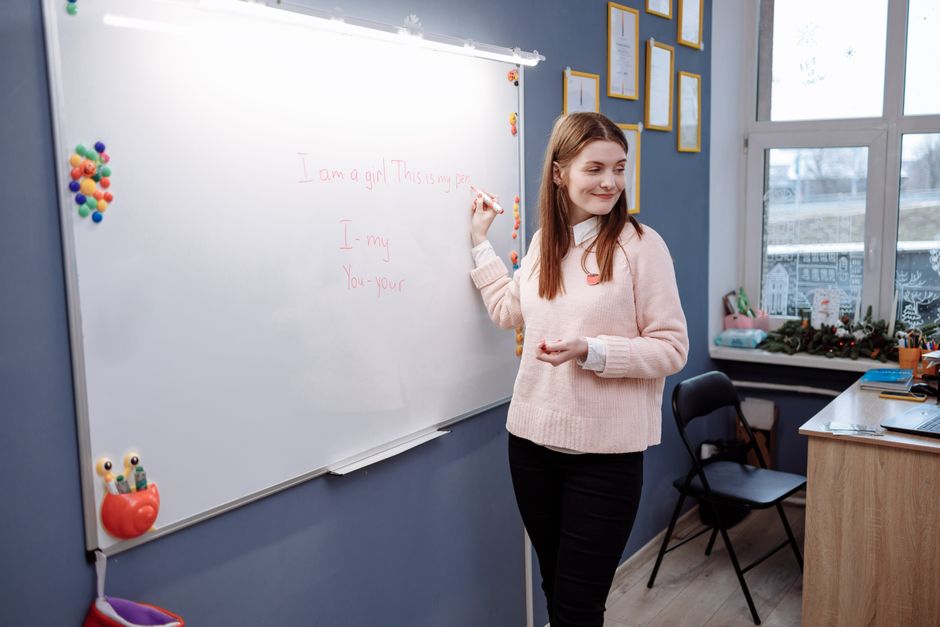
Grammar Games: A Teacher’s Guide to Making Grammar Fun
Most ESL teachers have stood in front of a class explaining the present perfect for the fourth time and watched eyes glaze over. Grammar instruction has a reputation problem. Students associate it with drills, gap-fills, and tests, while teachers often feel pressure to “cover” structures rather than actually embed them. Grammar games offer a way out of this trap — but only if they’re designed with learning in mind, not just engagement.
This guide is about making grammar fun in a way that survives the morning after. A game that students love but forget the target structure within a week isn’t a successful game; it’s expensive entertainment. The good news is that with the right framework, you can build grammar games that drill structures harder than any worksheet and leave students asking when the next one is.
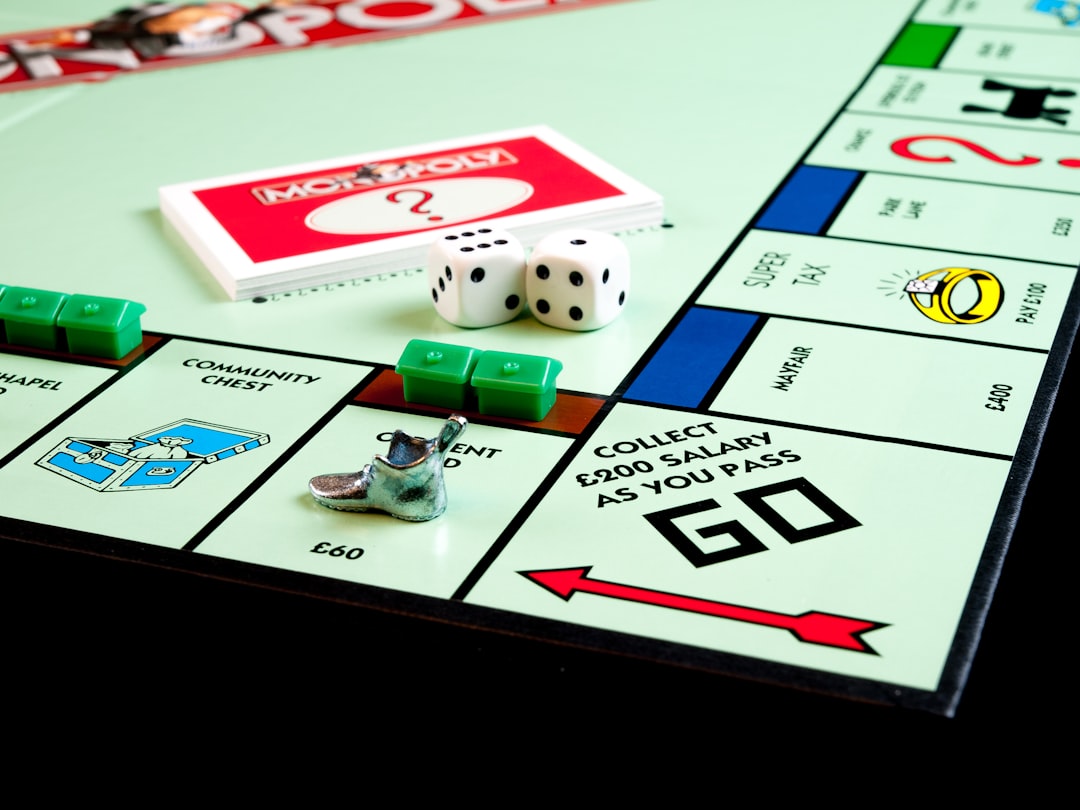
Why Grammar Games Work — and Why Many Don’t
The cognitive case for games in language learning is well-established. When students are emotionally engaged, they pay closer attention, hold information in working memory longer, and produce more language than they would in a traditional drill. Stephen Krashen’s affective filter hypothesis predicts exactly this — low anxiety conditions allow more input to be processed. Games create those conditions almost by accident.
But not every game produces learning. The trap many teachers fall into is choosing games for novelty rather than fit. A game where students race to translate sentences may be exciting, but if the activity rewards speed over accuracy, students reinforce errors. Worse, some popular grammar games involve only a few students at a time while the rest watch — turning a thirty-minute slot into a five-minute practice opportunity for most of the class.
A grammar game works when three conditions are met: every student produces the target structure multiple times, errors are surfaced and corrected within the game itself, and the cognitive load of the game mechanics doesn’t crowd out attention to the language. Miss any of these, and you have an entertaining classroom moment that produces no measurable learning gain.
The Difference Between Grammar Activities and Grammar Games
Teachers often use “activity” and “game” interchangeably, but the distinction matters. An activity has a learning goal; a game has both a learning goal and a win condition. The win condition is what changes student behavior.
Consider two versions of present continuous practice. In the activity version, students take turns describing what’s happening in pictures. In the game version, students do the same — but the first team to produce ten grammatically correct sentences wins. The grammatical correctness clause is essential. Without it, you’ve gamified speed, not accuracy. Students will mumble half-formed sentences to win.
Building a win condition that rewards the target language is the single most important design decision. If the game can be won by accident, by luck, or by ignoring the grammar, students will find that path. Every successful grammar game I’ve watched in classrooms made the target structure the only viable route to winning.

Designing Grammar Games That Actually Teach
Start With the Target Structure
Before choosing a game format, write the exact sentence frame you want students to produce. “I have been studying for three hours” is a target. “Present perfect continuous” is not — that’s a label. Working backward from concrete example sentences prevents the most common design failure: a game that loosely “involves” the structure but doesn’t require it.
If you can imagine a student winning the game without producing the target sentence, the design is broken. Tighten the rules until that becomes impossible. For example, if you’re practicing “used to,” every move in the game should require a “used to” sentence to advance, not just sentences that could include it.
Build in Repetition Without Boredom
Mastery of a grammar structure requires roughly thirty to fifty productions in meaningful contexts before it stabilizes in spoken use. A game must deliver that volume without feeling like a drill. The trick is varying context while holding the structure constant.
A “Who am I?” guessing game using “have you ever” forces dozens of present perfect questions across a single round. Each question feels different to the student because the content varies — Have you ever climbed a mountain? Have you ever eaten octopus? Have you ever met a famous person? — but the structure repeats relentlessly. That’s the sweet spot. Students don’t notice they’ve produced the target sentence forty times because their attention is on guessing the celebrity, the food, or the country.
Compare that to a worksheet with forty fill-in-the-blank “have you ever” questions. Same volume, very different experience — and very different retention rates a week later.
Make Errors Productive
The best grammar games turn errors into game events rather than embarrassments. In a card-based game, an incorrect sentence might cost a player their card or send them back a space. The penalty is light, public, and impersonal — the rules enforced the correction, not the teacher.
This shifts the emotional dynamic in a way that’s hard to overstate. Students self-monitor more carefully when there’s a small game cost to mistakes, and they help teammates fix errors before submitting answers. Peer correction, which is notoriously hard to coax in adult ESL classes, happens spontaneously in well-designed grammar games.
The teacher’s role shifts from primary corrector to referee. You’re called in for disputed calls, not constant policing — and that change alone can reset a class’s relationship with grammar.

Matching Game Format to the Grammar Point
Not every game format suits every structure. Forcing a sentence race onto a feature that demands extended discourse will frustrate students; running a chain game for a feature that needs visual anchoring will produce confusion. Matching format to target is half the design work.
Tenses and Time Reference
Tense work needs visual or narrative anchors. Timeline-based games where students place actions on a shared timeline force them to choose tenses based on actual time relationships rather than abstract rules. “Backwards storytelling,” where one student narrates the end of a story and partners ask past perfect questions to fill in earlier events, drills the most slippery English tense in a context where it’s genuinely the right choice.
For mixed-tense practice, story dice games work well — students roll dice with image prompts and must construct a narrative that uses each prompt in the appropriate tense based on the story flow.
Articles and Determiners
Article use is notoriously resistant to explicit teaching. Games that work here are usually description-based: one student describes a picture to a partner who can’t see it, and the partner must reproduce the picture from the description. Article errors break the task — “draw the cat” versus “draw a cat” produces different drawings. The visual feedback teaches what explanation can’t.
Word Order and Sentence Structure
Sentence-building games using cards or magnetic strips give students physical pieces to arrange. A simple race format — first team to arrange the cards into a grammatically correct sentence wins the round — produces immediate, visible feedback. For more advanced work, give students all the words of a sentence including a few extras, and they have to identify which words don’t belong while building the rest.
Conditionals
Conditionals respond well to chain games. One student offers a condition (“If I won the lottery…”), the next student must complete it logically and then offer a new condition that builds on the previous result. The chain breaks if the grammar breaks. This forces second and third conditional practice in extended discourse, which is closer to how conditionals actually appear in speech than isolated sentence drills.

Common Mistakes Teachers Make With Grammar Games
Even well-designed games can fail in execution. The most common failure is running a game too long. After fifteen to twenty minutes, novelty wears off, and the same activity that energized students starts producing fatigue and weaker output. Stop the game at the peak, not when students are tired of it. They’ll be more enthusiastic the next time you announce it.
Another frequent error is over-explaining rules. If setup takes more than three minutes, students lose interest before play begins. The fix is to demonstrate rather than explain — play one round yourself with two volunteers while the rest of the class watches. They’ll learn the rules faster from observation than from your description, and a demonstration round also models the expected language production.
Teachers also tend to reuse the same successful game across grammar points without adapting it. A vocabulary review game that worked beautifully for food items doesn’t automatically work for irregular past tense verbs — the cognitive demands differ. Test whether the structure you’re targeting actually emerges naturally in the format, or whether you’re forcing it where it doesn’t belong.
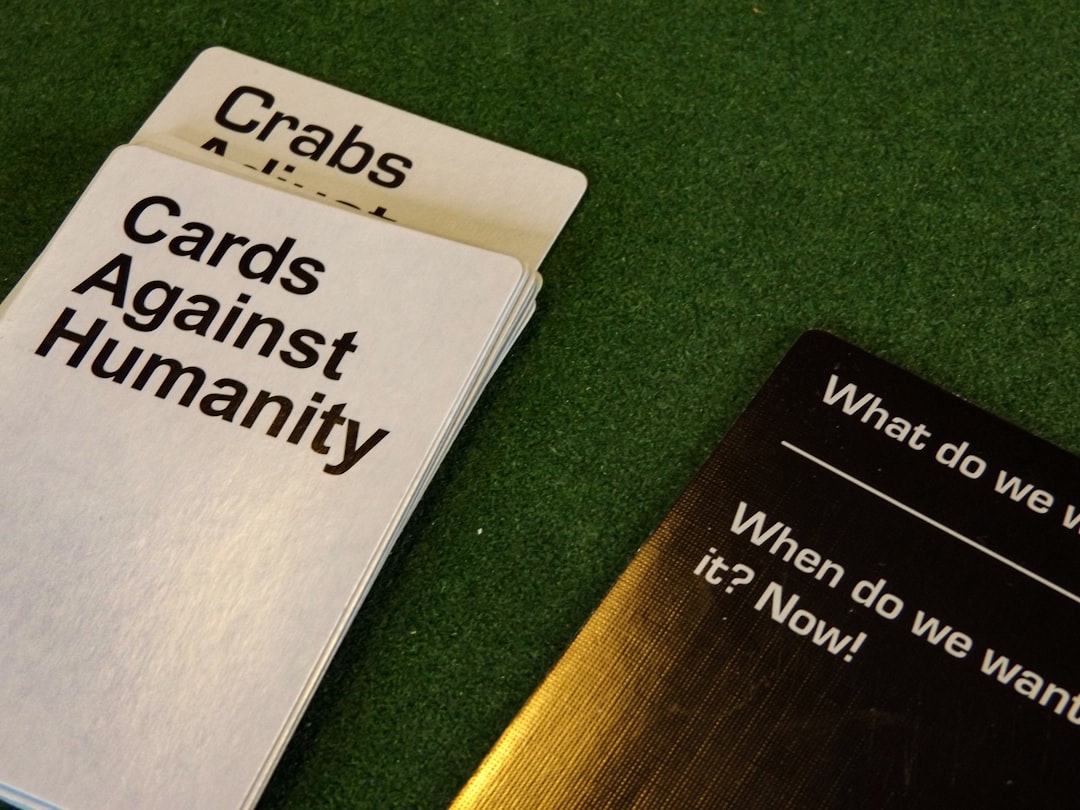
Finally, watch for games that reward only your strongest students. If the same three students dominate every round, the game’s mechanics favor existing competence over practice. Adjust the rules to limit any one student’s contributions per round, or rotate roles so weaker students get more turns at the productive position. A grammar game where the quietest student produces three target sentences is more valuable than one where the loudest student produces twenty.
Adapting Grammar Games for Different Levels
The same game skeleton can work for beginners through advanced students with simple parameter changes. A description game using prepositions at the elementary level — “The cat is on the box” — becomes a complex prepositional phrase exercise at advanced levels — “Despite having been carefully positioned underneath the awning, the package remained visible.” The mechanics stay identical; the language demand scales.
For beginner classes, reduce the response time pressure, restrict the vocabulary range, and provide sentence stems. Higher levels can handle open-ended production and faster pacing. Mixed-level classes benefit from games where stronger students take on naturally harder roles — describer rather than guesser, judge rather than player — so everyone is challenged at their level without an obvious tier being visible to the students.

The biggest level-related mistake is using a game that’s too easy for the class. If students aren’t making any errors, the game isn’t producing growth — it’s just review. Push the difficulty up until errors appear at a rate of roughly one in three productions. That’s the productive zone where learning happens fastest, where students are stretched but not overwhelmed.
Assessing Learning Through Grammar Games
A common objection to grammar games is that they don’t produce gradable evidence. This is solvable. Score sheets where you tally correct productions per student during gameplay give you a quantitative record that’s often more accurate than written tests, because students are producing language under realistic communicative conditions rather than test conditions.
If your school requires formal grammar assessment, run the game first, then a short written task using the same structure immediately after. Students perform measurably better on the post-game task than on a cold quiz — and you have a clear before-and-after for your records. The game becomes the learning event, and the quiz becomes the consolidation.

Building a Grammar Games Repertoire
A teaching career doesn’t require collecting fifty games. Five well-understood game skeletons, each adaptable to different grammar points, cover almost every classroom situation. Most successful grammar teachers rotate a small set of formats — a description game, a chain game, a sentence-building race, a guessing game, and a board game — across the year, swapping target structures rather than mechanics.
Students learn the mechanics once and don’t have to relearn them every lesson. That frees their attention for the language itself. As you observe which games produce the most accurate production in your classes, the set narrows further. The teachers with the most engaged grammar lessons usually aren’t running novel games every week — they’re running three or four that they’ve refined over years, with subtle variations that keep things fresh while preserving the format students already know.
Making grammar fun isn’t about being a more entertaining teacher. It’s about designing practice that students enter willingly and exit with measurably stronger structures. When the design is right, the fun takes care of itself — and so does the learning.
Vyanzo
- Baraza la Uingereza — English teaching resources and methodology articles.
- Chama cha Kimataifa cha TESOL — research and practice for English language teaching professionals.
- Cambridge University Press & Assessment — applied linguistics and ESL pedagogy publications.









 SW
SW  EN
EN  ZH
ZH  ZH_CN
ZH_CN  KO
KO  VI
VI  FR
FR  AR
AR  ES
ES  HI
HI  PT
PT  BN
BN  RU
RU  JA
JA  TR
TR  DE
DE  IT
IT  PL
PL  ID
ID  TH
TH  FA
FA  UK
UK  TL
TL  HE
HE  UR
UR  RO
RO  NL
NL  MS
MS  TA
TA  PS
PS  HU
HU  EL
EL  SV
SV  NB
NB  NN
NN  DA
DA  CS
CS  SR
SR  AM
AM