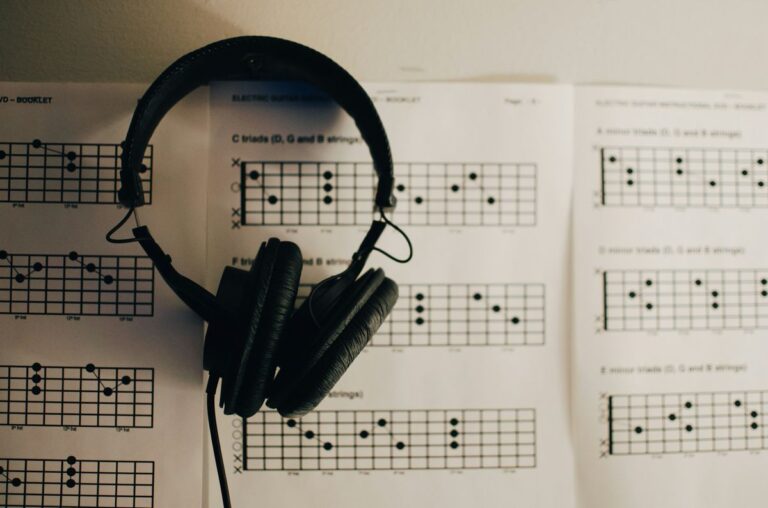
Songs give ESL learners access to authentic pronunciation, natural rhythm, and emotionally charged vocabulary simultaneously. Research consistently shows words introduced through music are retained significantly longer than those introduced through drills or reading. The eight techniques below move well beyond the standard gap-fill worksheet and work at levels from A2 to C1. A 2005 review…
15 ESL song activities that turn any track into a real lesson — vocabulary, grammar, speaking, pronunciation. Plus level matching, copyright basics, and a sample 45-minute lesson.
Extensive reading (ER) is a method where students read large quantities of text at or slightly below their level — mainly for meaning and enjoyment, not detailed study. For ESL teachers, it builds vocabulary and fluency more reliably than grammar drills because it generates the volume of comprehensible input that language acquisition actually requires. The…
A practical bank of 50 ESL classroom activities organized by skill — speaking, listening, reading, writing, and vocabulary — with setup notes, level tags, and tips for adapting each task to your learners.
Storytelling in ESL builds fluency and vocabulary faster than drills. Get 10 classroom-tested activities, a 7-step lesson plan, and CEFR-level story choices.
Quick Answer: Cooperative learning in ESL turns peer interaction into the primary vehicle for language practice instead of teacher-fronted class time. Eight structured activities — from Think-Pair-Share to Jigsaw Reading — give every student genuine output opportunities that whole-class instruction mathematically cannot. In a 45-minute ESL class with 20 students, teacher-led instruction gives each learner…









 ZH_CN
 EN
 ZH
 KO
 VI
 FR
 AR
 ES
 HI
 PT
 BN
 RU
 JA
 TR
 DE
 IT
 PL
 ID
 TH
 FA
 UK
 TL
 HE
 UR
 SW
 RO
 NL
 MS
 TA
 PS
 HU
 EL
 SV
 NB
 NN
 DA
 CS
 SR
 AM