Warmers and Fillers: Making Every 5 Minutes Count in the ESL Classroom
Warmers and fillers are the 5-minute activities that decide how the rest of your ESL lesson goes. Here’s how to choose, time, and deploy them without prep.


Warmers and fillers are the 5-minute activities that decide how the rest of your ESL lesson goes. Here’s how to choose, time, and deploy them without prep.

Quick Answer: Differentiated instruction is the practice of adjusting what students learn, how they learn it, and how they show what they know so that one lesson reaches a class of mixed abilities. The four things teachers differentiate are content, process, product, and the learning environment. The most practical strategies are tiered assignments, flexible grouping,…

Scaffolding in teaching breaks learning into supported steps, then fades the help as students gain independence. Here are 8 classroom strategies that work.

Storytelling in ESL builds fluency and vocabulary faster than drills. Get 10 classroom-tested activities, a 7-step lesson plan, and CEFR-level story choices.
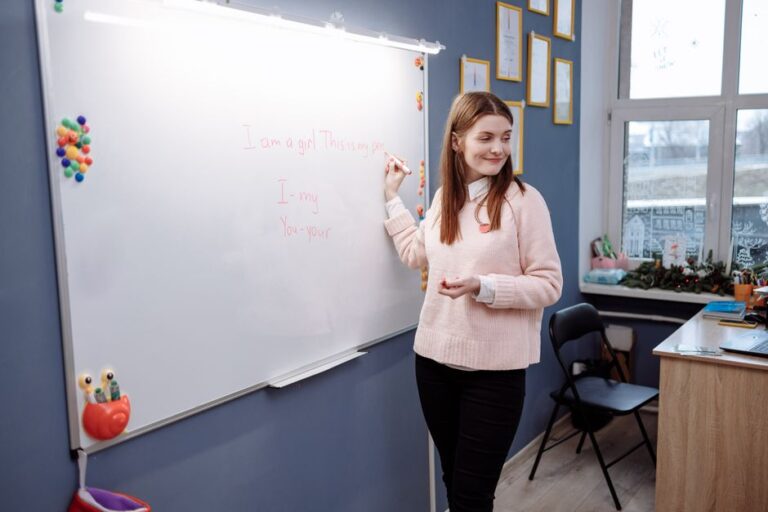
Grammar doesn’t have to be the dry part of your lesson. A well-designed grammar game can drill structures harder than any worksheet — while students actually enjoy the practice. Here’s how to design grammar games that teach, not just entertain.

A backward design lesson plan starts with what students must prove they can do, then builds every activity to make it happen. Three stages, seven steps, and a worked ESL speaking example.

A practical workflow for using AI to design ESL curriculum maps and write tests that actually measure learning — with prompts, guardrails, and calibration steps that turn raw AI output into classroom-ready material.

How to teach collocations so students actually use them — 9 methods that stick, the 7 collocation types, and the mistakes to avoid in 2026.

The 12 English tenses chart, formulas, examples, and classroom-tested ways ESL teachers can teach them clearly.
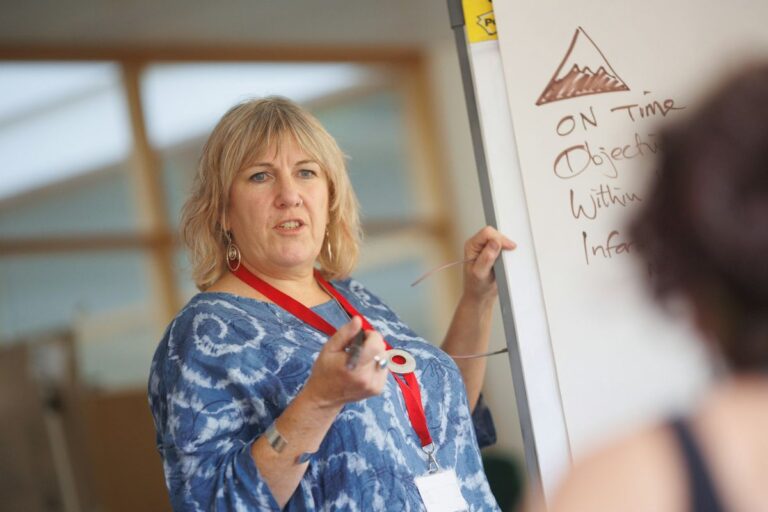
A solid ESL pronunciation lesson does three things: it isolates the exact sound or pattern your students get wrong, drills it past the point of conscious thought, and forces students to use it in real speech before the bell. Most of what you find online skips two of those three. The version below maps a…
 ZH_CN
 EN
 ZH
 KO
 VI
 FR
 AR
 ES
 HI
 PT
 BN
 RU
 JA
 TR
 DE
 IT
 PL
 ID
 TH
 FA
 UK
 TL
 HE
 UR
 SW
 RO
 NL
 MS
 TA
 PS
 HU
 EL
 SV
 NB
 NN
 DA
 CS
 SR
 AM